
How it works
From bottle to bale, with a receipt at every step.
The whole chain, one step at a time.
Step 01
Insert
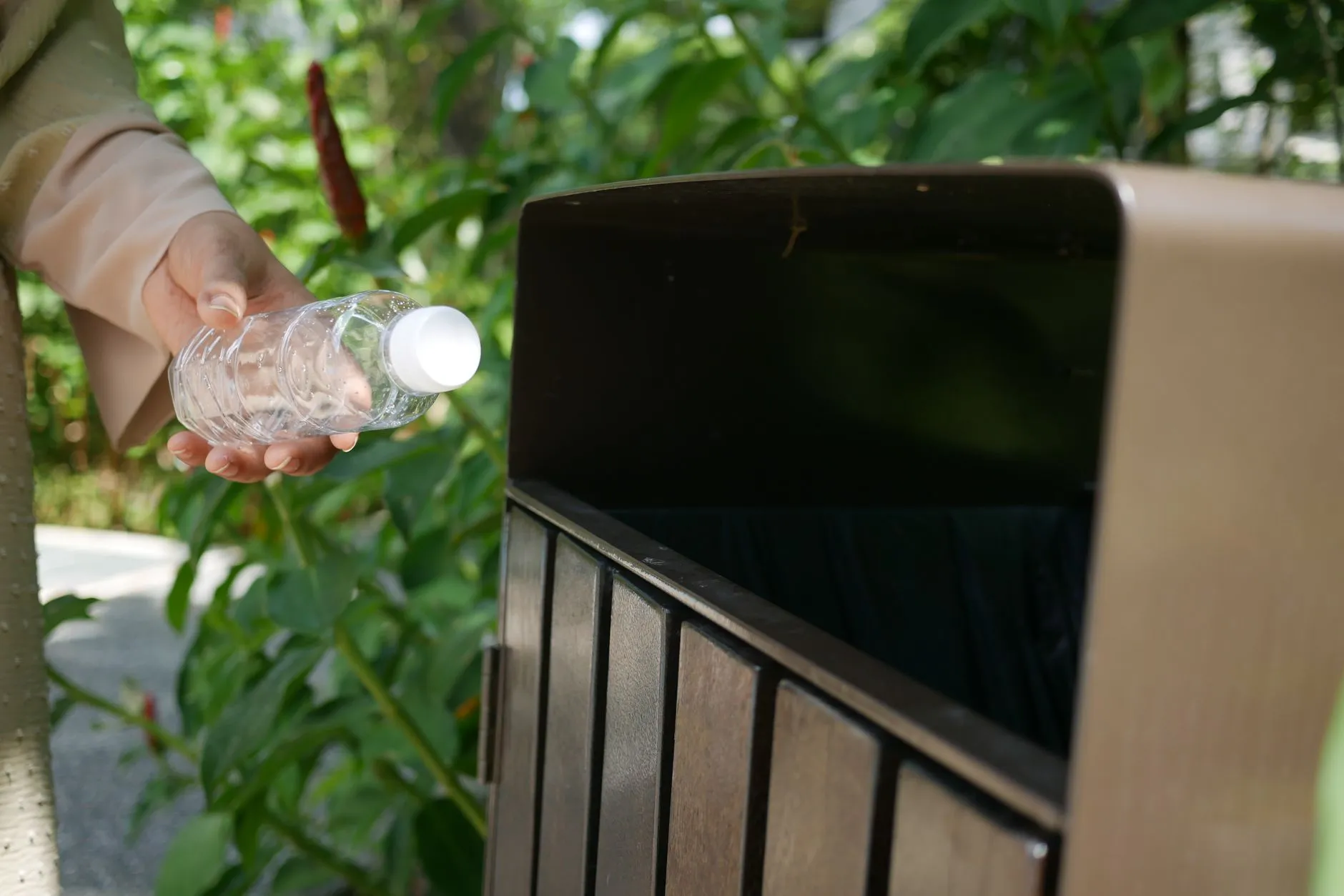
A recycler walks up to a Green Africa station. It looks more like an ATM than a bin: an enclosed steel cabinet, weather-sealed, with nothing exposed to smell or to vandalise. They feed in one bottle at a time.
One at a time is deliberate. It keeps the mechanism simple enough to repair with a screwdriver, and it means every bottle gets its own verification and its own record. A machine that swallows a whole bag at once can only estimate what was in it.
Step 02
Verify
Inside the chamber the bottle comes to rest in front of a fixed camera under controlled light. A small neural network running on the machine's onboard computer classifies it: whether it is PET, of the right grade and the right shape. A load cell checks the weight, which rejects a full or part-full bottle, and also catches one that has been fed back in for a second payout.
The whole check takes about a second. No internet connection required.
Step 03
Reward
The machine sends airtime or data to the number the recycler entered. Value lands immediately.
We pay in airtime and data rather than cash. Cash inside a street-level machine is a reason to attack it. Airtime also reaches people who have no bank account, and it is spendable the moment it arrives.

Step 04
Record
The verified deposit is signed on the device and queued locally. When the machine has connectivity, the record is submitted to Hedera's consensus network. Because records are hash-chained on the device before they're sent, a gap in the network can't be used to quietly insert, alter or delete a deposit after the fact.
The ledger entry holds a timestamp, a machine identifier, a material classification and a weight. It holds nothing personal about the person who made the deposit.
Step 05
Consolidate
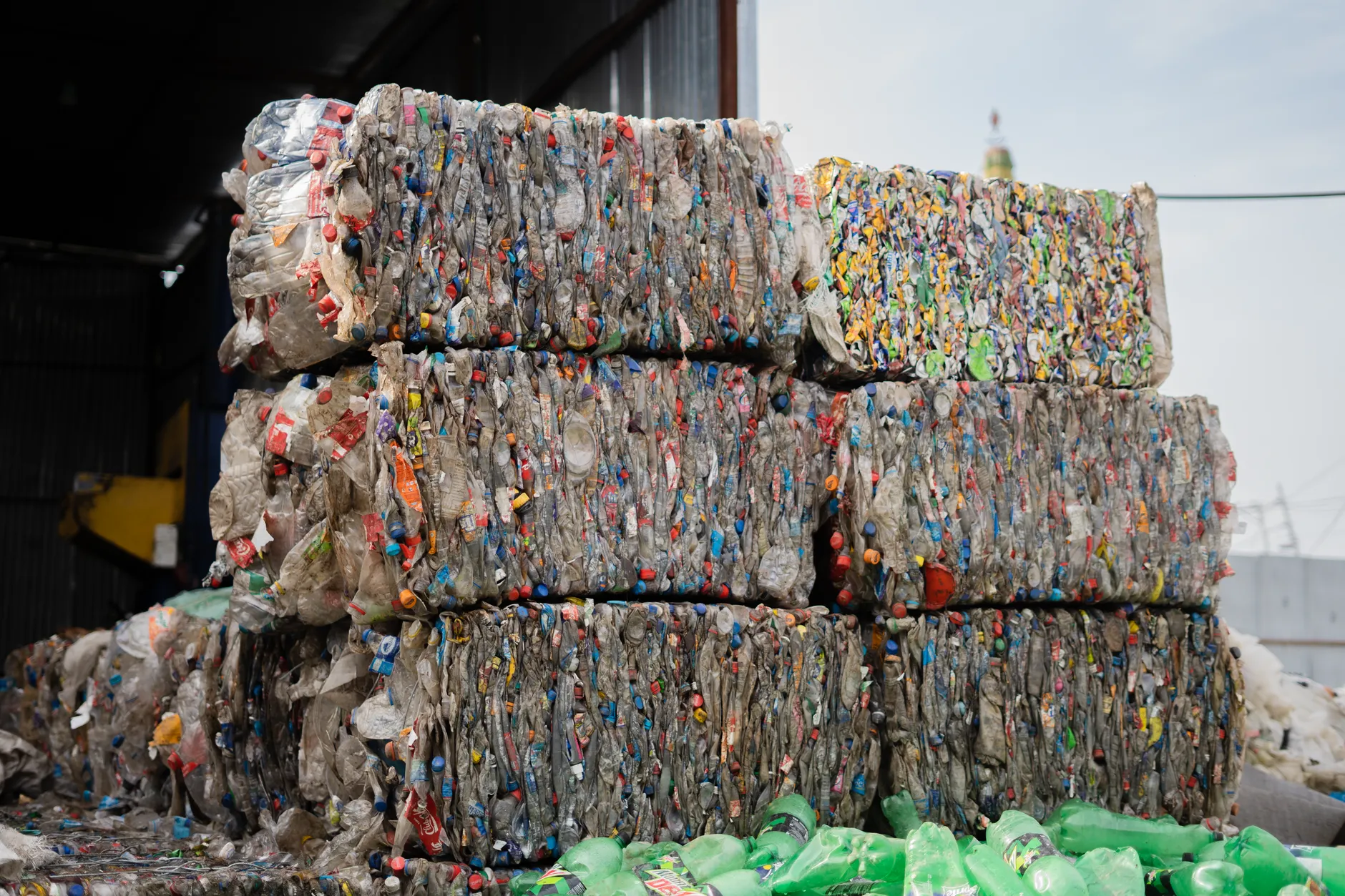
Machines are light-crush units, compacting bottles on the spot. Loose PET is mostly air, and paying road freight to move air is what ruins collection margins. Filled units are emptied on a route and consolidated at a central bale hub, where material is graded, baled and prepared for offtake.
What the machine accepts
- Clear PET
- Primary stream — highest-value grade
- Light-blue tinted PET
- Accepted at a discount
- Coloured PET
- Segregated
- PVC
- Refused outright — a small amount ruins an entire PET batch
Step 06
Reconcile
Every bale carries back to the deposits that made it. Machine-level records roll up to route level, route to hub, hub to shipment. When a tonne leaves the hub, the ledger can account for where it came from.
That reconciliation is the product.
Write to us
Questions we're happy to answer properly.
How do you handle contamination, what's the uptime, and what happens when someone tries to game it? Ask, and we'll tell you where it works and where it is still difficult.
We reply within two working days.